Roof Repairs in Ipswich & Across Suffolk
A successful roof repair starts with finding the actual route of failure. We investigates the visible symptoms and the surrounding roof details before recommending a targeted, proportionate repair. Many symptoms that look serious - a water stain on a ceiling, tiles on the ground after a storm - turn out to be localised defects that a targeted repair can resolve without the need for a full re-roof.
When to call about a roof repair
These are reasons to arrange an inspection, not reasons to assume the worst. Many symptoms that look serious turn out to be a localised defect that a targeted repair can resolve. The sooner the cause is identified, the less likely it is that secondary damage will develop in the roof void or the ceilings below.
If the symptom is an active leak with water dripping into the property, call the team to arrange the earliest available inspection. For damp patches that appear only in heavy rain, a planned inspection gives time to assess the cause properly.
Water stains or damp patches
Inside the roof space or on ceilings, often pointing to a localised leak at a detail. The damp patch is not always directly below the entry point - water can travel along rafters or underlay before appearing inside.
Slipped, cracked or missing tiles
After a storm or due to ageing fixings, leaving the underlay exposed to the weather. A single slipped tile is usually a quick fix; multiple slipped tiles across the roof may indicate nail fatigue and wider deterioration.
Crumbling mortar on ridges or chimneys
Failed pointing and flaunching let water into the stack and the roof below. Chimney defects are among the most common sources of leaks on older properties across Ipswich and Suffolk.
Overflowing or leaking gutters
Blockages, failed joints or inadequate falls directing water where it should not go. Gutters protect the roofline and the walls below, so defects matter even if the roof covering itself is sound.
Staining or moss growth on the roof
Can indicate moisture retention or slow run-off worth investigating. Moss retains moisture against the tile surface, which accelerates weathering and can cause frost damage in winter.
Specialised repair services
ATS provides specialised repair services for chimneys, flat roofs, gutters and fascias and soffits - the areas where most roof leaks and roofline failures originate. Each service has its own dedicated page with information about the diagnosis process and the repair approach.
.jpeg&w=3840&q=75)
Chimney Repairs
Chimney repairs including pointing, pots, cowls, masonry and lead flashing to address water ingress and structural concerns.
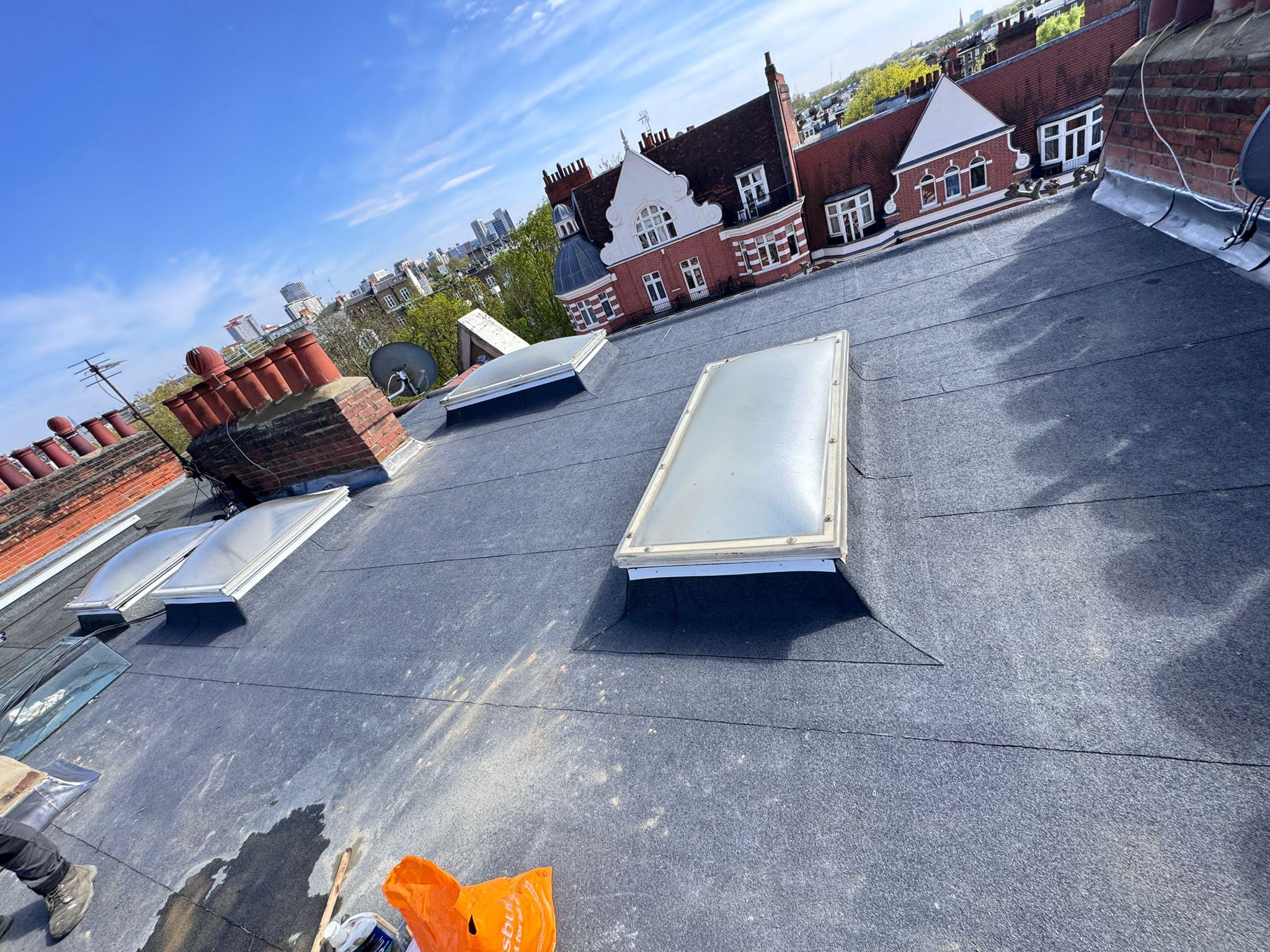
Flat Roof Repairs
Diagnosis and repair of existing flat roofs, addressing seams, details, outlets and ponding before recommending replacement.
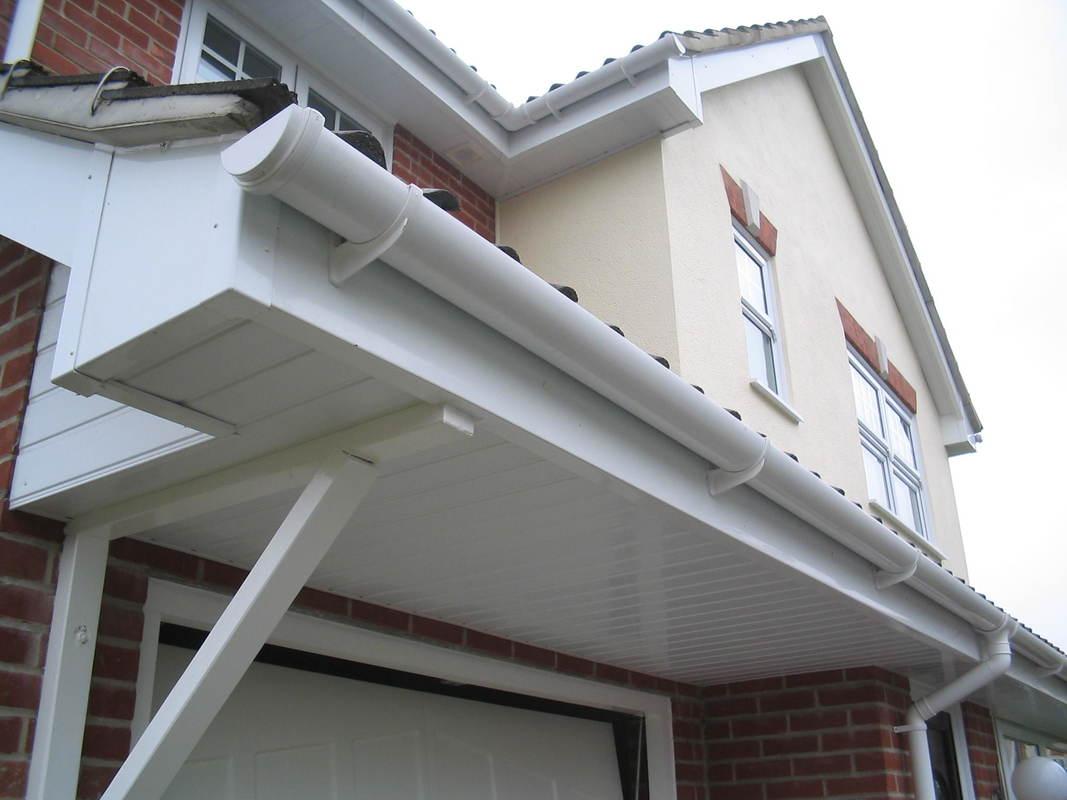
Gutter Repairs
Gutter repairs including joints, brackets, downpipes, outlets and falls to address leaks, overflow and water damage to the roofline and walls.
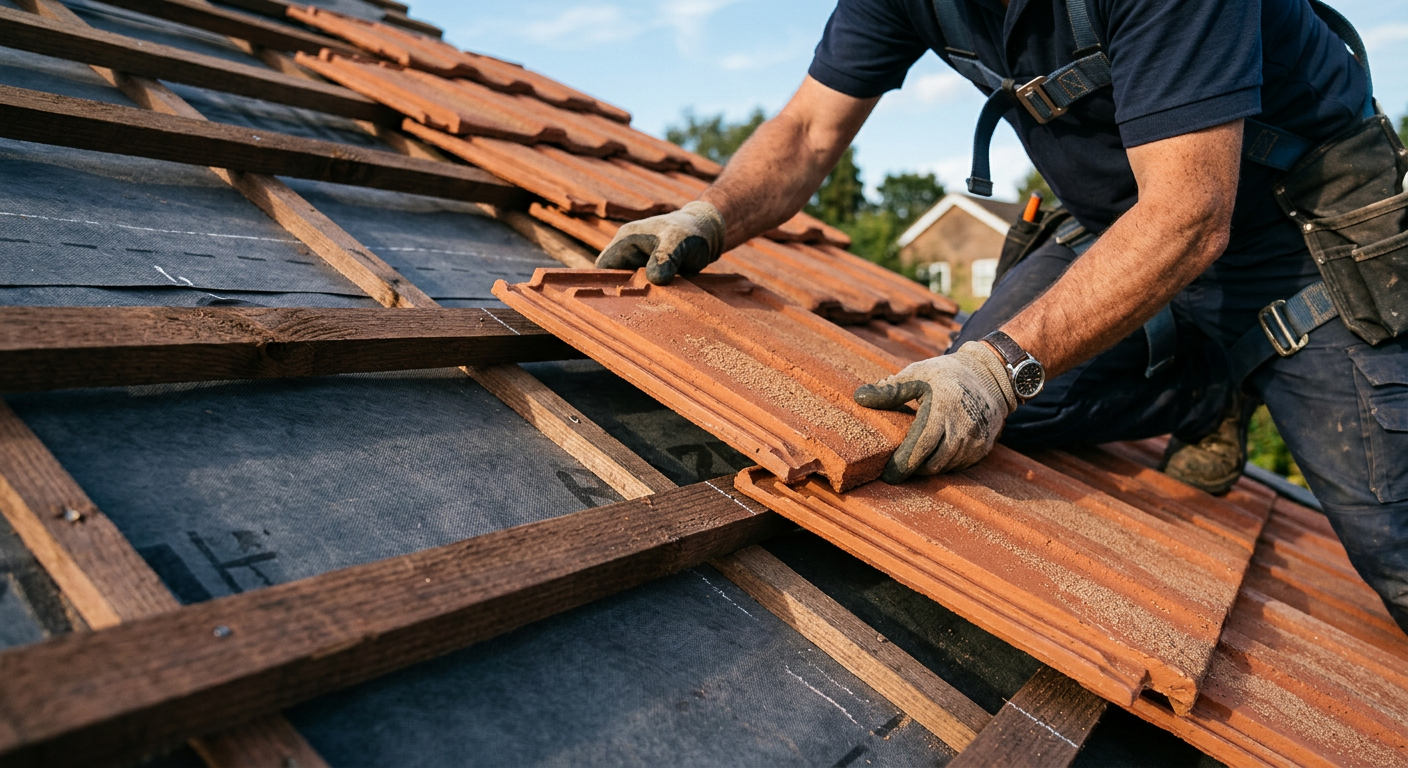
Moss Removal
Safe moss, algae and lichen removal from tiled and flat roofs with surface treatment to slow regrowth and an inspection for hidden damage.
Fascias & Soffits
Renew tired or damaged roofline components to improve protection, ventilation and the finish of the property.
What a roof repair can address
Typical repairs include replacing slipped or broken tiles, renewing failed flashings, addressing local water ingress at valleys and abutments, and fixing ridge details where mortar has failed. Chimney stacks are a common source of leaks - crumbling pointing, failed flashing and cracked flaunching all let water into the stack and the roof below. The chimney repairs service covers repointing, pot and cowl replacement, flashing renewal and masonry work.
Flat-roofed extensions and garages frequently need attention at seams, outlets and edge details. The flat roof repairs page covers diagnosis and repair of felt, single-ply and GRP systems, addressing ponding, failed details and drainage issues before recommending replacement. For properties with gutter problems - overflowing, leaking or sagging - the gutter repairs service covers joints, brackets, falls, outlets and downpipes.
ATS confirms the appropriate scope after inspecting the roof. If the defect is localised and the rest of the roof is sound, a targeted repair is the proportionate response. If the deterioration is widespread, a re-roofing project may be more economical over time - and ATS will explain the trade-offs honestly rather than selling a repair that will need to be redone.
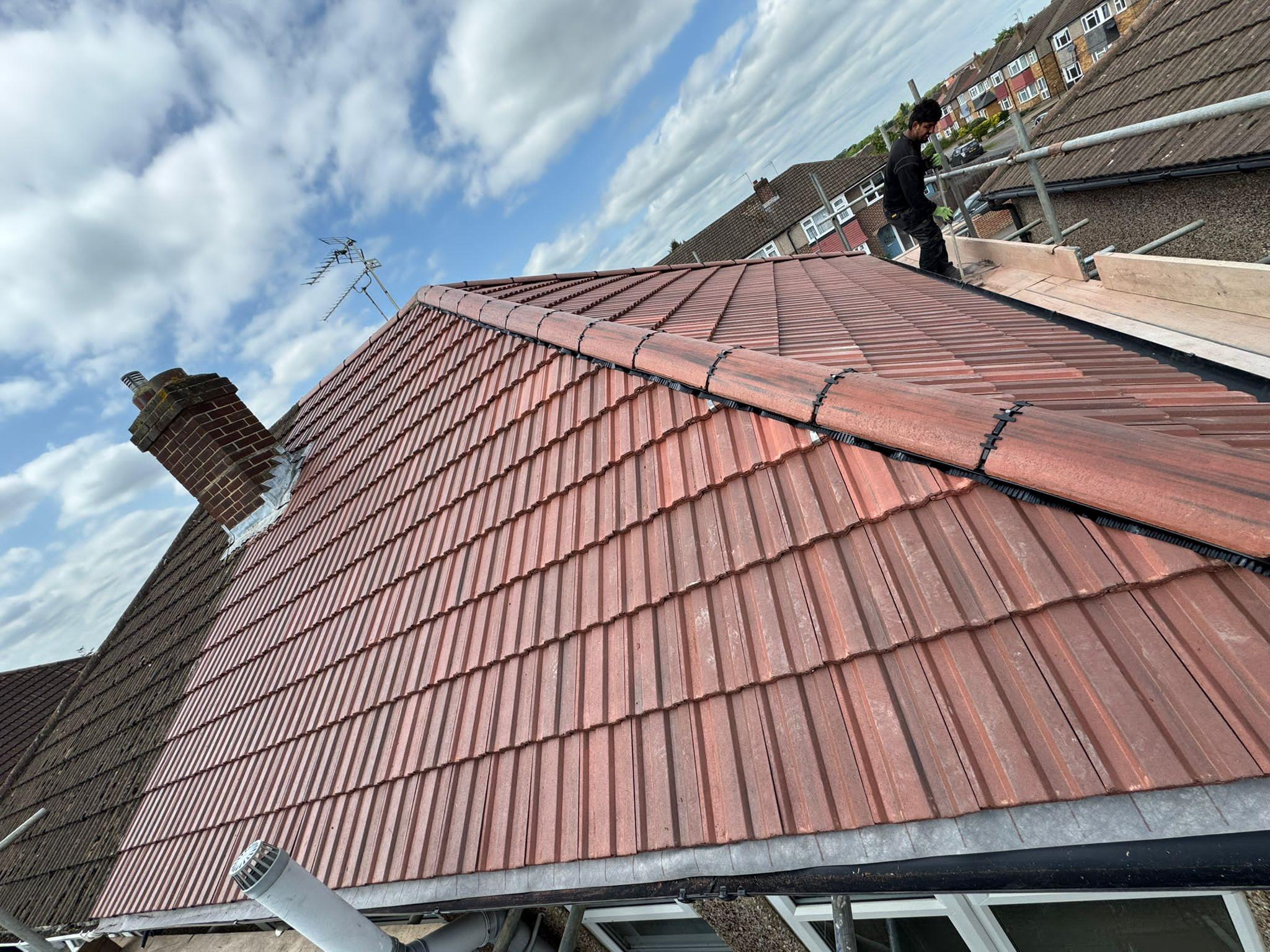
Find the cause before fixing the symptom
The visible symptom is not always the source of the leak. Water can travel along rafters, run down underlay, or enter at one point and appear inside the property at another. ATS traces the water path and inspects the surrounding details before recommending work - because a repair that treats the symptom without addressing the cause will recur.
Report the symptom
Share what you have noticed - where the damp appears, when it happens, and any recent storms or events. Photographs and the property postcode help the team prepare for the inspection.
Inspection
ATS inspects the roof and the surrounding details to trace the actual route of the water or failure. The inspection covers the covering, the flashings, the details, the roof void and any chimney or gutter interaction.
Diagnosis
The cause is explained in plain English, along with whether a repair or renewal is the right call. If a localised repair will solve the problem, ATS says so. If the deterioration is wider, the options and trade-offs are presented clearly.
Targeted repair
The repair addresses the specific defect rather than coating the whole roof unnecessarily. The work is carried out with safe access arranged, and the site is left clean and ready.
When a repair is the right call - and when it is not
A repair is the right call when the defect is localised and the rest of the roof is sound. A slipped tile, a failed flashing, a cracked chimney pot - these are specific defects that a targeted repair will resolve. The covering, underlay and structure do not need renewal because the deterioration has not spread.
A repair is not the right call when the roof is failing in multiple areas, the underlay is crumbling, the tiles are delaminating across the roof, or the flashings are all past their best. In these cases, repeated repairs are a stopgap - each fix buys a few months before the next leak appears elsewhere. A re-roofing project addresses the root cause by renewing the covering, underlay, battens and detailing as a coherent system.
The decision is not always clear-cut, and ATS presents the options with the costs and expected lifespans so you can make an informed choice. A repair that buys two years may be the right call for a customer planning to move; a re-roof that lasts thirty years may be the right call for a customer staying long-term. The recommendation is driven by what the roof needs and what suits your circumstances - not by selling the larger job.
Questions about roof repairs
Localised defects may be suitable for repair, while widespread deterioration or repeated failures can make renewal more practical. The correct recommendation depends on the covering, structure and roof details, so ATS assesses the condition before defining the scope. If repairs are recurring across different parts of the roof, a re-roofing project may be worth considering.
Yes. The first step is to identify whether the leak is caused by a local defect, failed detail, drainage issue or broader system deterioration. See the Flat Roof Repairs page for more information on the diagnosis process.
Yes. ATS carries out chimney repairs including pointing, pots, cowls and flashing, and gutter repairs including joints, brackets and downpipes. Describe both issues in one enquiry if both need attention, and ATS will coordinate the work.
The cost depends on the extent of the defect, the materials needed, the access requirements and whether scaffolding or tower access is needed. A simple tile replacement costs less than a chimney repointing or flashing renewal. ATS provides a written quotation after inspecting the roof.
ATS prioritises active leaks where water is entering the property. Call the team to describe the situation and arrange the earliest available inspection. Temporary weatherproofing can be installed to limit damage while the permanent repair is planned.
Tell Us What Your Roof Needs
Describe the property, the issue you have noticed and the service you are considering. Add photographs if you have them, and ATS Roofing & Building will have the information needed to discuss the next step.