Fascias & Soffits for Ipswich & Suffolk Properties
Renew tired or damaged roofline components to improve protection, ventilation and the finish of the property.
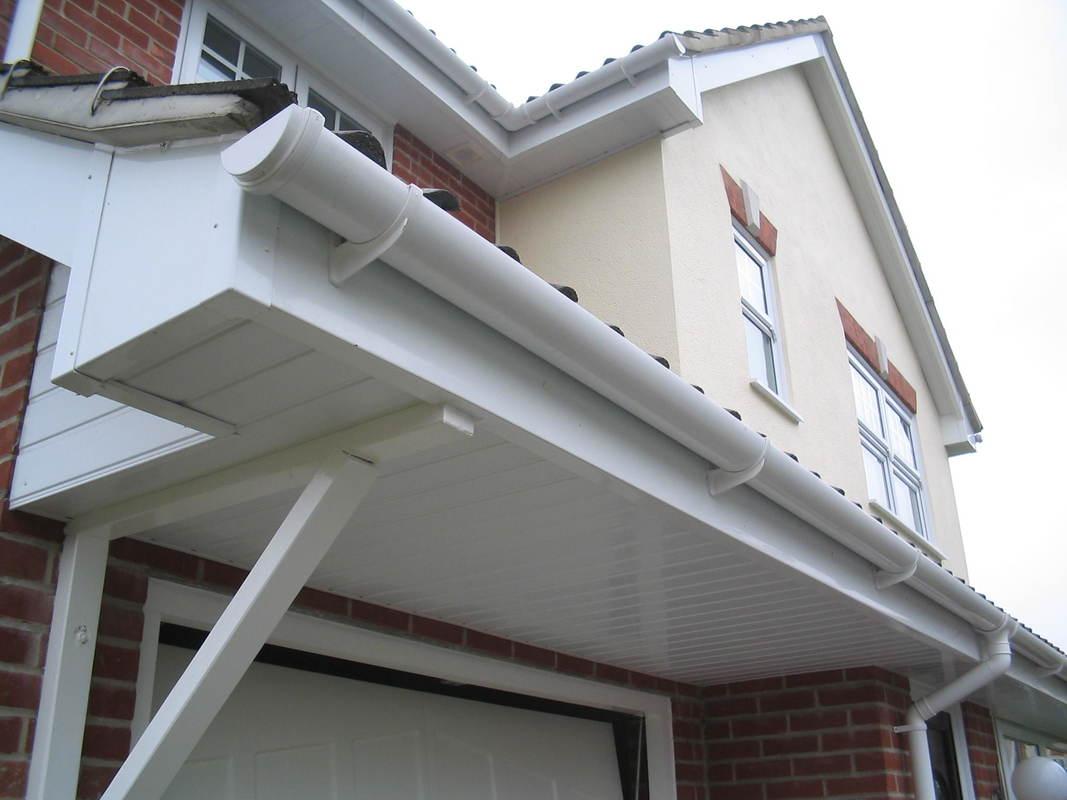
Fascia and soffit replacement is for property owners with rotting timber fascias, peeling paint, poor roof ventilation, or damaged roofline that is letting water into the roof structure. Across Ipswich and Suffolk, many properties have timber fascias and soffits that were installed decades ago and have not been maintained - the paint is peeling, the timber is rotting at the joints, and the ventilation gaps are blocked, all of which allows water and damp to affect the roof structure.
Renewed fascias and soffits protect the roof edge from water ingress, provide the right ventilation for the roof void, and give the property a clean, finished appearance. The roofline is the edge where the roof meets the walls, and it is exposed to the full force of the weather - if the fascias and soffits fail, water reaches the rafter feet, the wall plate and the roof void, causing rot that is expensive to repair.
The honest assessment before any work starts
Replacement with new uPVC or timber fascias is usually recommended over capping, which can hide rot in the underlying timber. ATS advises on which approach suits the property after inspection. Capping - fitting new boards over the existing timber - is cheaper, but if the timber underneath is rotten, capping traps the problem and allows it to spread.
How the work is carried out
ATS inspects the existing timber condition, removes or renews the fascias and soffits as appropriate, ensures the roof ventilation is correct, finishes the components to suit the property, and integrates the guttering. The guttering has to be removed to access the fascias, so the gutter repair or replacement is coordinated as part of the scope.
Timber condition
The condition of the existing timber determines whether capping is possible or full replacement is needed. ATS inspects the timber before recommending either approach. The inspection checks the rafter feet, the existing fascia boards, the soffit boards and the bargeboards for rot, moisture damage and structural soundness. If the timber is sound, capping may be an option; if it is rotten, full replacement is the only durable solution.
Signs that the timber needs attention include: peeling paint that reveals soft or discoloured wood, dark staining at the joints, visible rot at the rafter feet, and damp patches in the roof void at the eaves. These are all signs that water is reaching the timber and causing decay, and the longer it is left, the more extensive the damage becomes.
Replacement versus capping
Capping covers existing timber with new boards but can hide rot. Full replacement removes the old timber and installs new fascias. ATS recommends the approach that suits the condition. Capping is only appropriate when the existing timber is completely sound - no rot, no moisture damage, no softness at the joints. If there is any doubt, full replacement is the safer choice because it allows the rafter feet and wall plate to be inspected and any rot to be addressed.
Full replacement involves removing the existing fascia and soffit boards, inspecting the rafter feet and wall plate, treating or replacing any rotten timber, and installing new uPVC or timber boards. The result is a roofline that will not need attention for decades, with no hidden rot underneath.
Ventilation and finish
Soffits often provide roof void ventilation. ATS ensures the ventilation is correct and finishes the components to suit the property. Many roofs rely on soffit ventilation - continuous or spaced vents in the soffit board that allow air to circulate in the roof void, preventing condensation and timber decay. If the ventilation is blocked or inadequate when the new soffits are installed, condensation problems can develop in the roof void.
The finish is chosen to suit the property - white uPVC is the most common choice for modern properties, while woodgrain or coloured boards may be selected for traditional or character properties. ATS discusses the options and ensures the finish is consistent across the roofline, including the bargeboards at the gable ends.
Gutter integration and access
The guttering has to come off to replace the fascias and go back on correctly. ATS integrates the gutter refit and arranges safe access for the work. The gutter brackets are fixed to the fascia, so if the fascia is being replaced, the gutter has to be removed and refitted. This is an opportunity to check the gutter for leaks, blockages and capacity - see the gutter repairs page for more detail.
Where the gutter is old or damaged, replacing it at the same time as the fascias is usually more cost-effective than refitting the old gutter and replacing it later. ATS discusses the options and includes the gutter work in the scope where appropriate. Access is arranged with scaffolding or tower systems suited to the height and position of the roofline, and the work is planned to minimise disruption. For a full roofline and roof renewal, the fascia work is coordinated with the re-roofing or new roof scope.
Relevant to this service
- uPVC fascia and soffit boards
- Timber fascias where specified
- Ventilation soffits
- Gutter brackets and components
- Bargeboards
- Fascia corners and joints
What affects the price
- Length of the roofline
- Condition of the existing timber
- Whether capping or full replacement is appropriate
- Ventilation requirements
- Gutter removal and refit
- Access
Pricing is confirmed with a written quotation after the roof has been assessed.
Explore related services
Learn more about the roofing services that complement this work, or check whether we cover your area across Ipswich and Suffolk.
Discuss this service
Call the team or request a quotation with details of the property and the work you need.
Questions about fascias & soffits
Capping is possible where the underlying timber is sound. ATS inspects the timber first and recommends full replacement where capping would hide rot. If the rafter feet and fascia boards are completely sound, capping is a cost-effective option; if there is any rot, full replacement is the safer choice.
Many roofs rely on soffit ventilation to prevent condensation in the roof void. ATS checks whether the roof void needs ventilation and includes it in the specification. If the existing ventilation is adequate, the new soffits will maintain it; if it is inadequate, additional ventilation can be incorporated.
Yes, the guttering has to be removed to access the fascias. ATS refits the gutters correctly as part of the work, and checks the gutter for leaks, blockages and capacity while it is down. Where the gutter is old or damaged, replacing it at the same time is usually more cost-effective.
Quality uPVC fascias and soffits typically last 20-30 years or more with minimal maintenance. Unlike timber, they do not rot, warp or require repainting. The colour is stable and the finish is maintained with occasional cleaning.
The cost depends on the length of the roofline, the condition of the existing timber, whether capping or full replacement is appropriate, the ventilation requirements, and the access arrangements. ATS provides a written quotation after the inspection.
Tell Us What Your Roof Needs
Describe the property, the issue you have noticed and the service you are considering. Add photographs if you have them, and ATS Roofing & Building will have the information needed to discuss the next step.